
Table of Contents
ToggleEnvironmental Chambers
ISO 9001 : 2015 Certified Company
Top Environmental Test Chambers Manufacturer in India
Laboratory Testing Instruments offers reliable Environmental Test Chambers in India for simulating different temperature, humidity, and climatic conditions. These chambers help manufacturers evaluate product performance, durability, and reliability under controlled environmental conditions.
Our testing solutions are suitable for quality control, research, and product development applications, helping businesses meet required testing standards and maintain consistent product quality.
Looking for a Reliable Environmental Test Chamber? Contact Us Today For The Right Testing Solution And A Customized Quote.
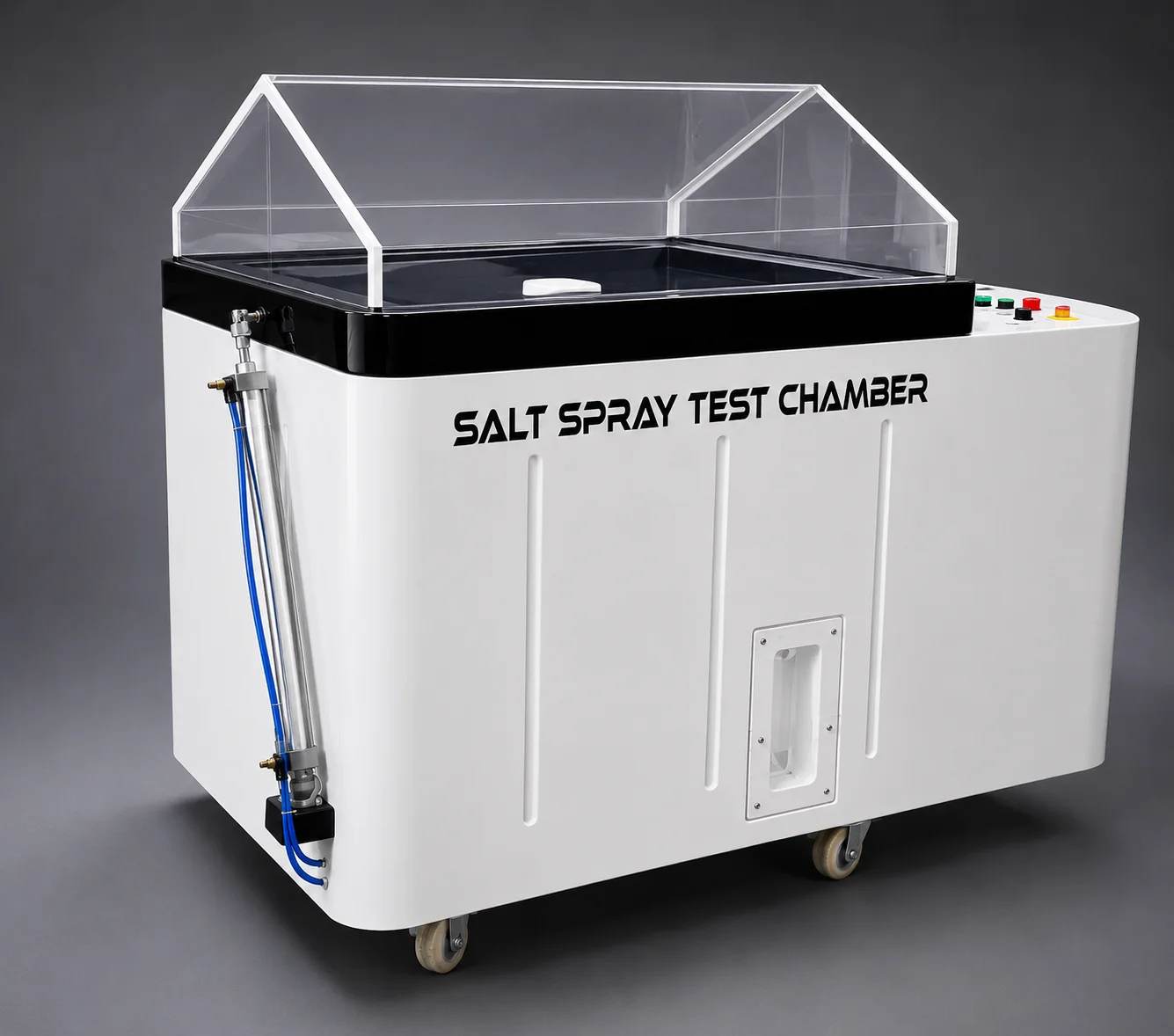
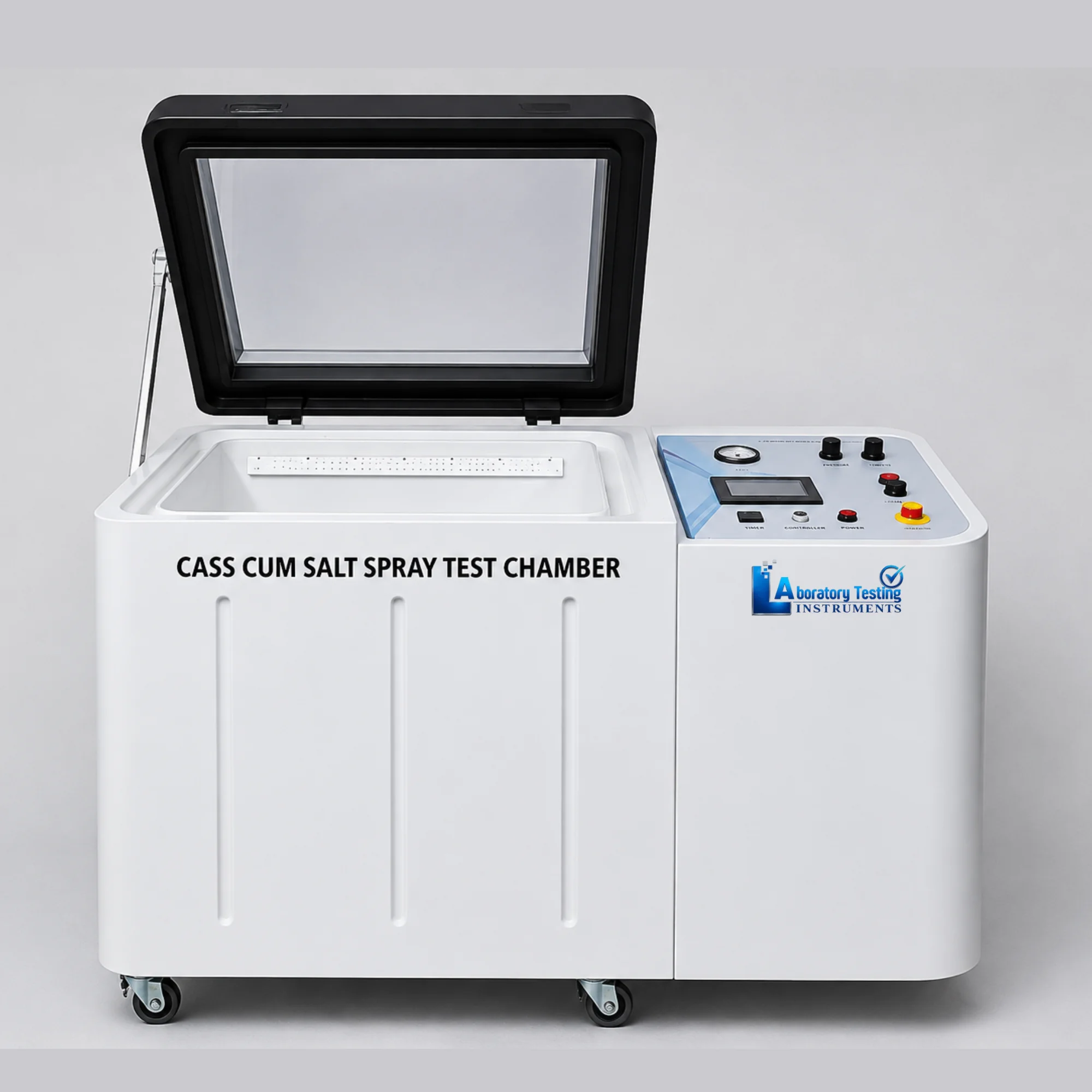
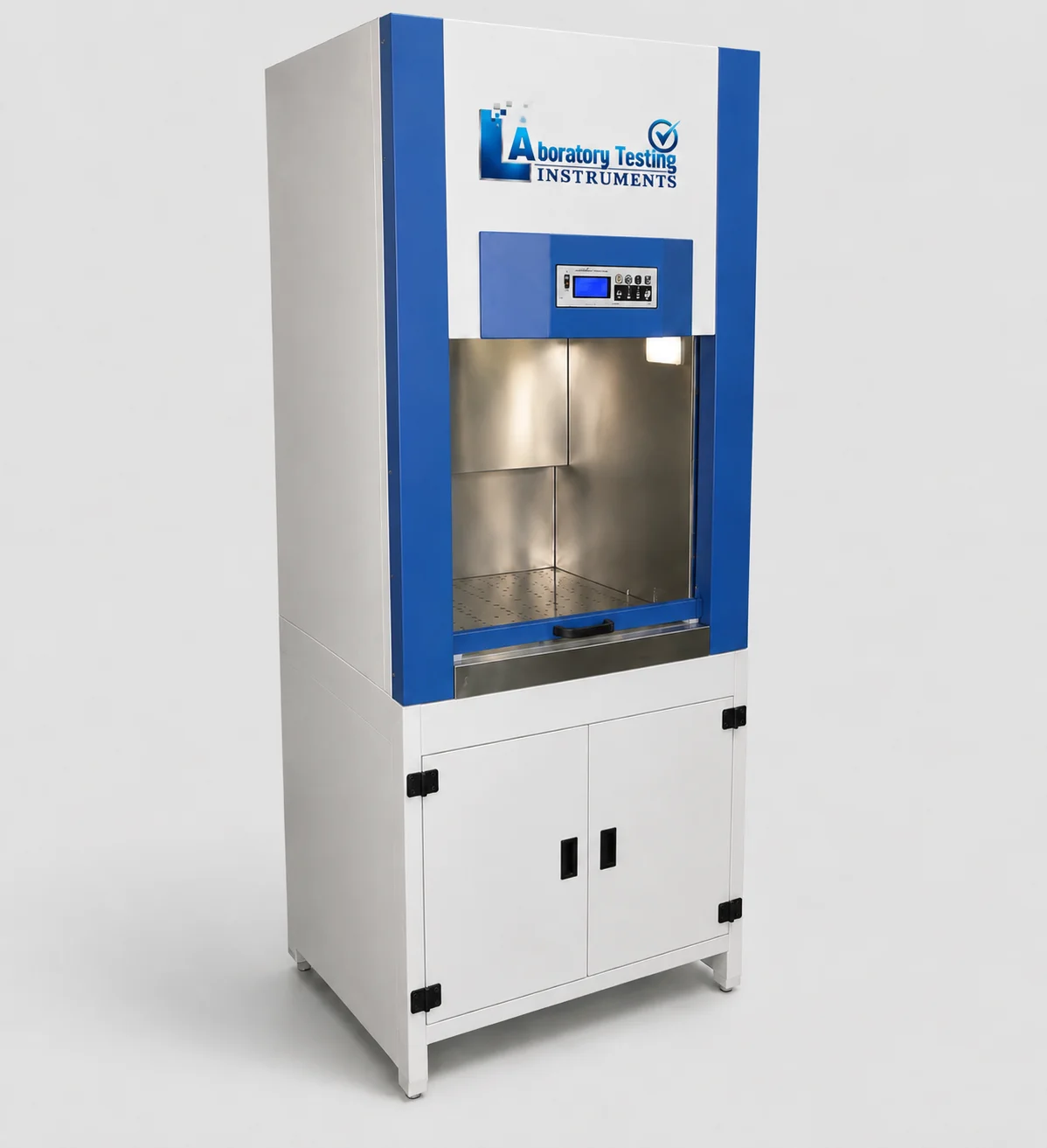
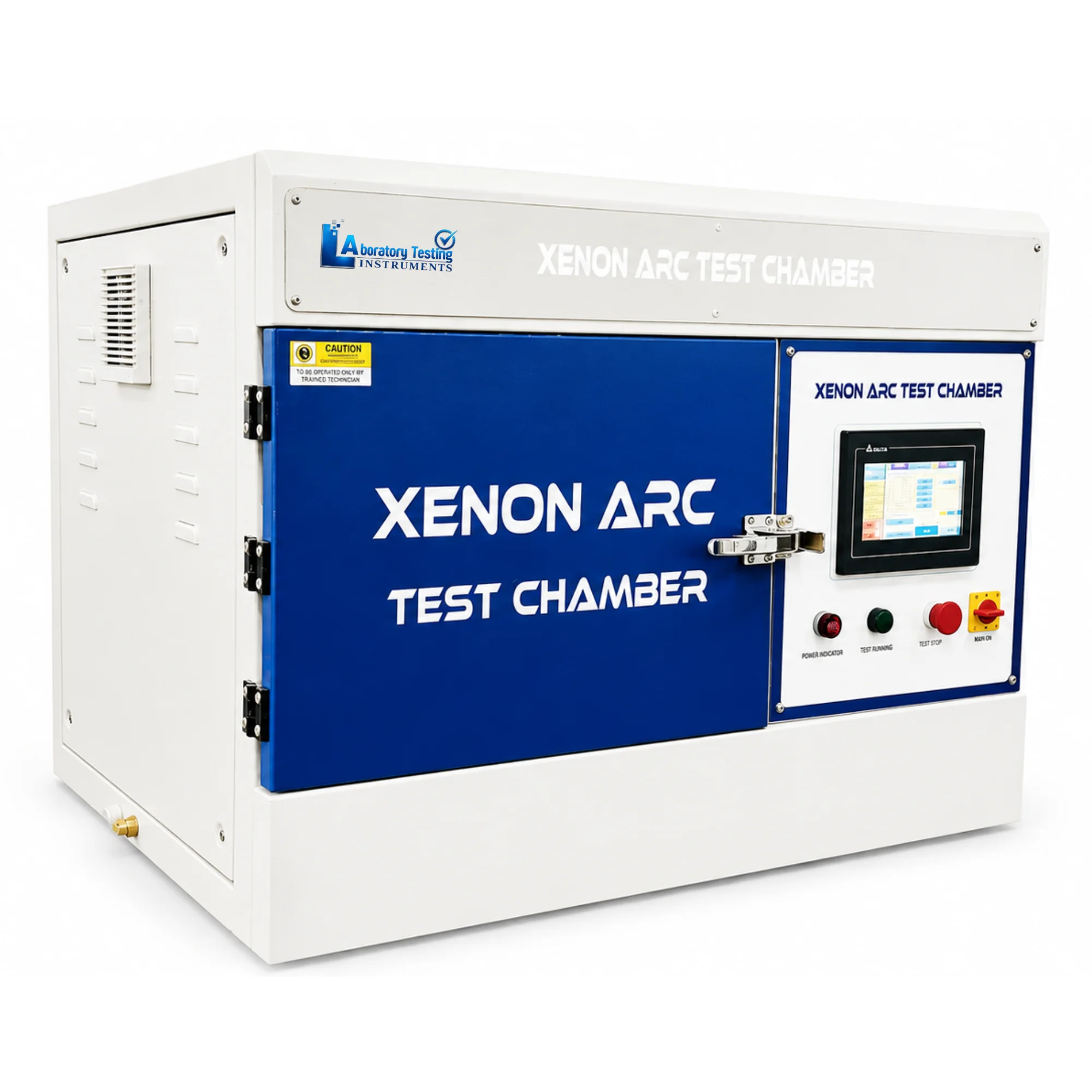
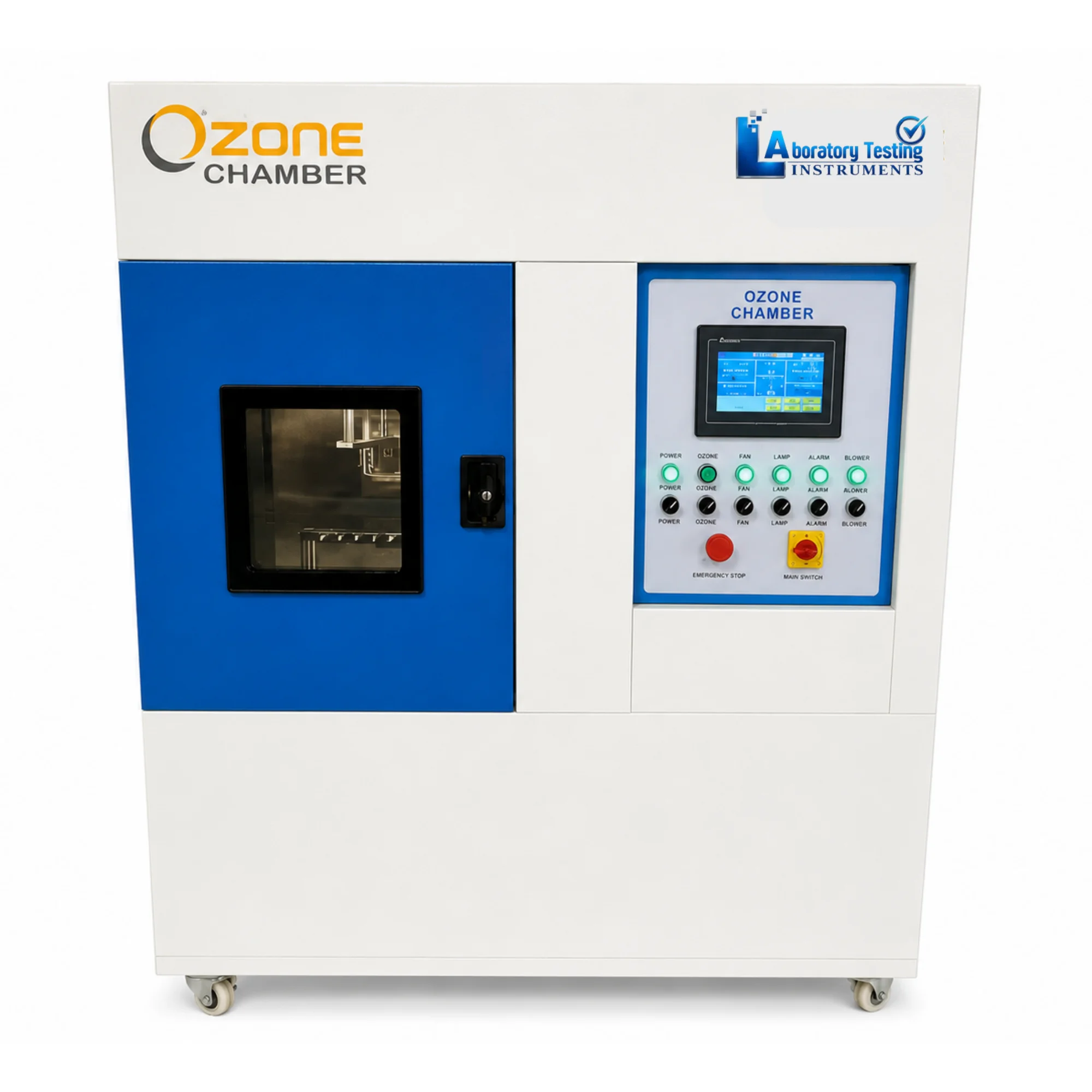
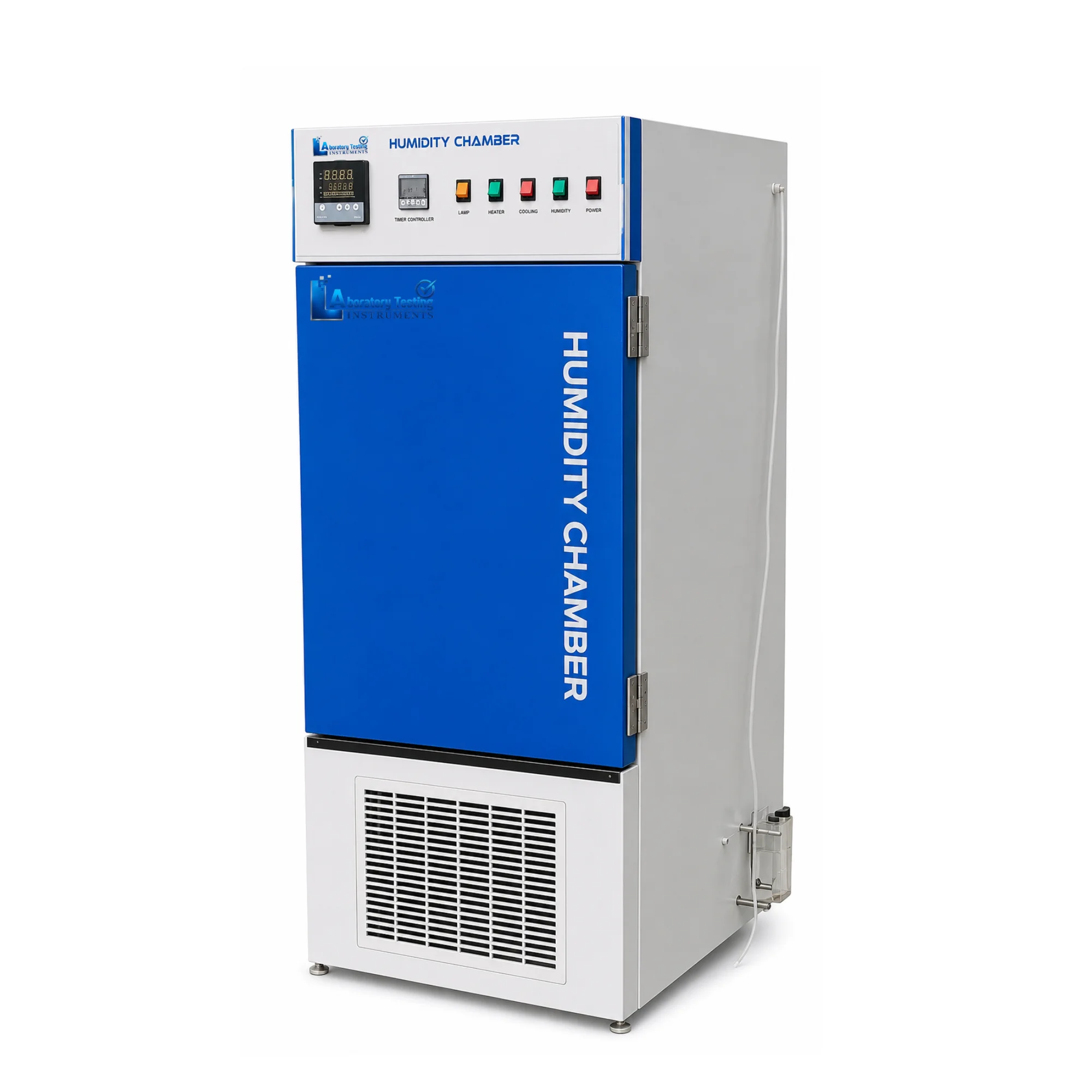
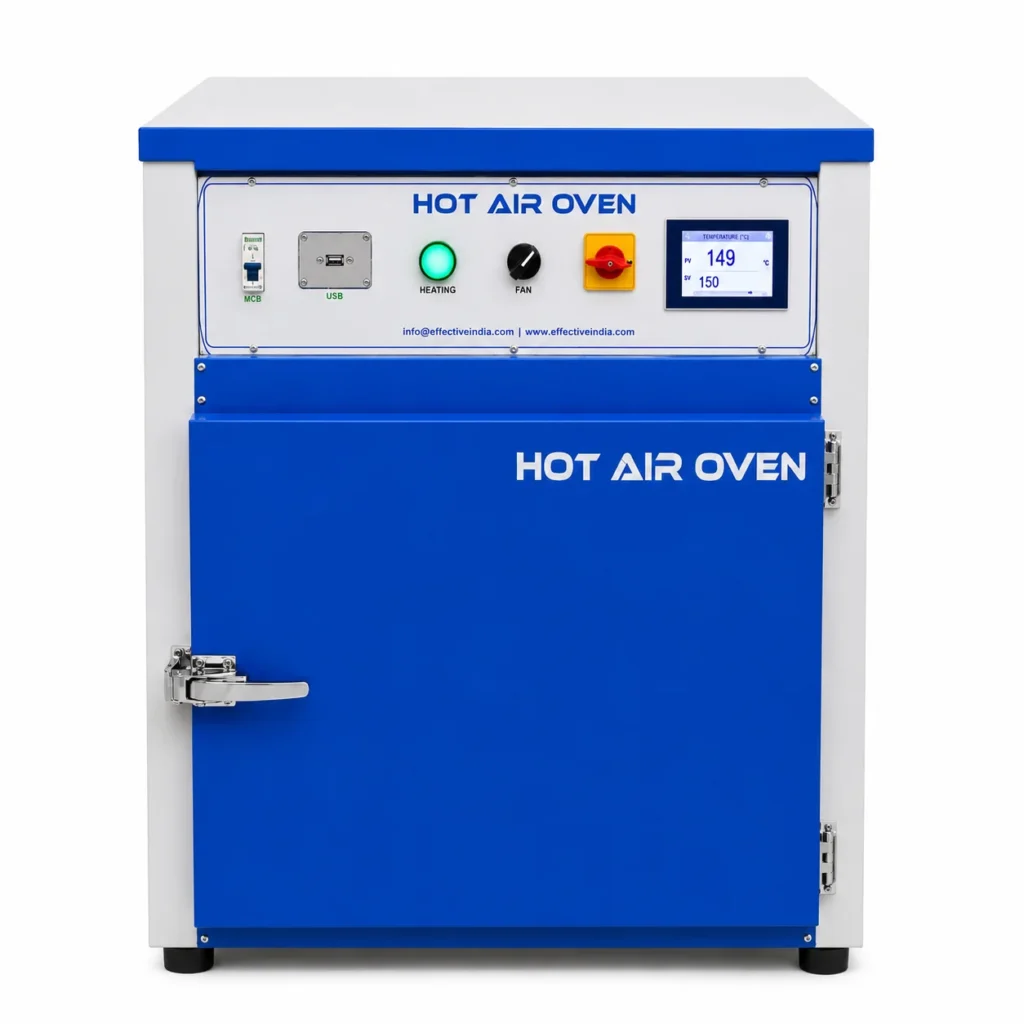
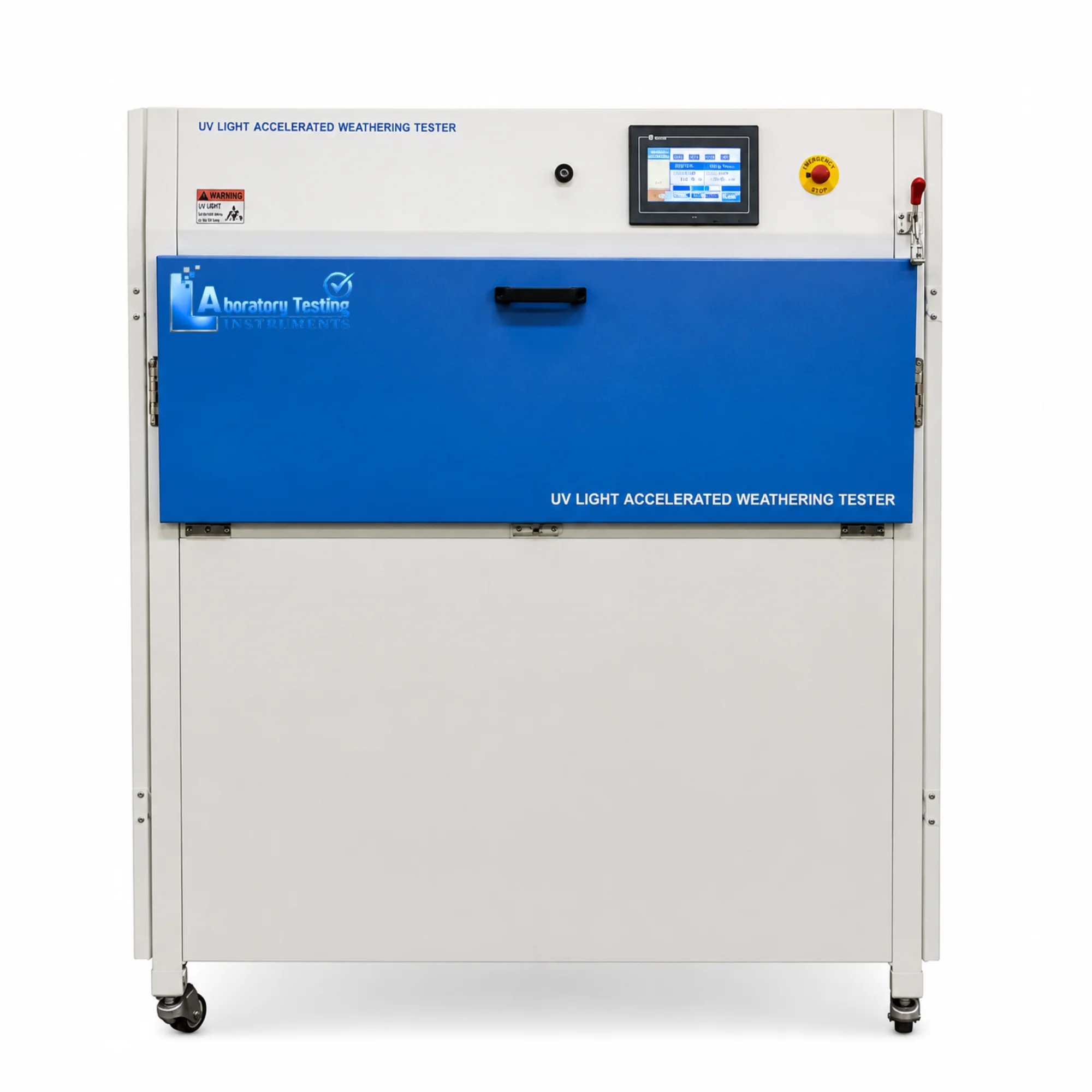
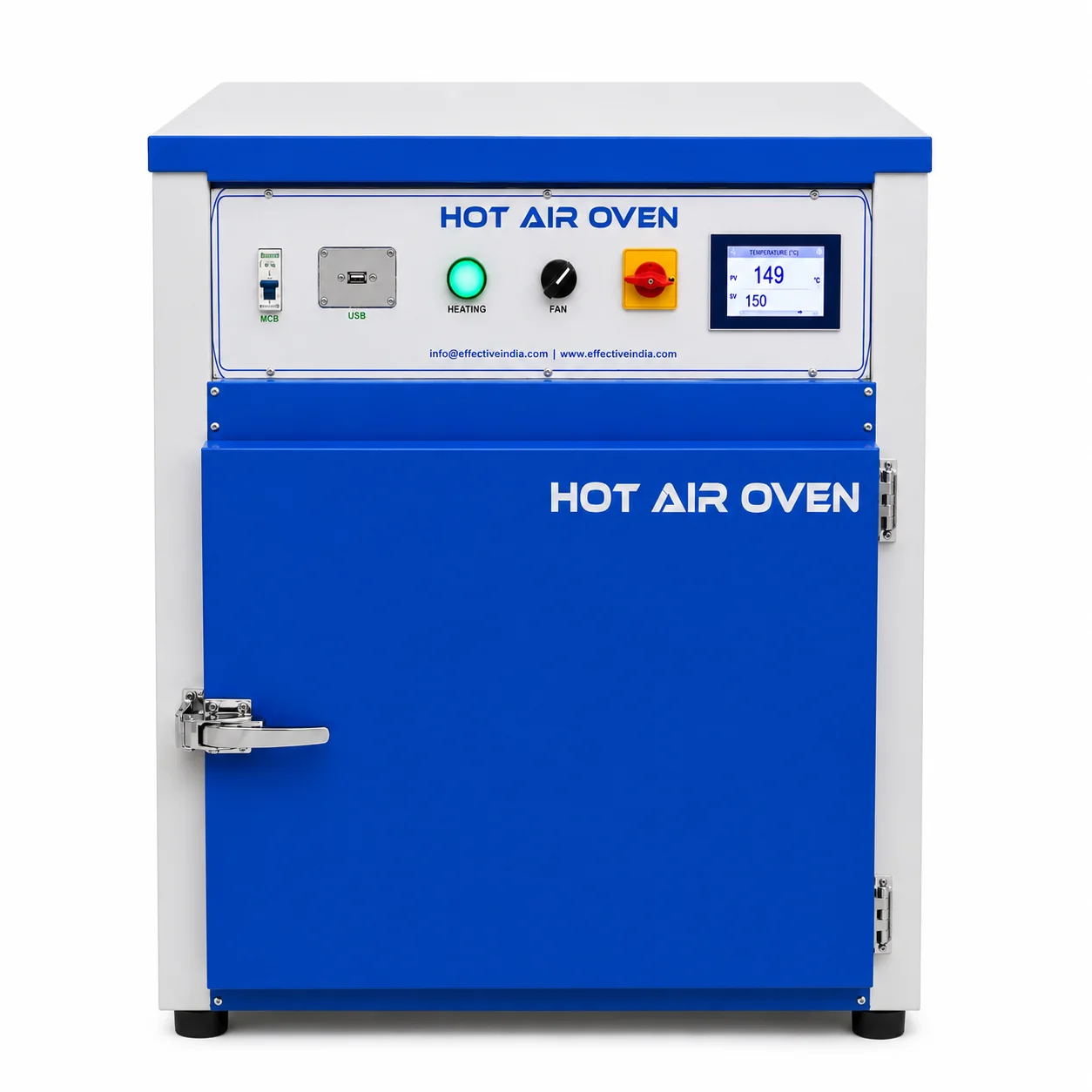
- UV Light Weathering Tester
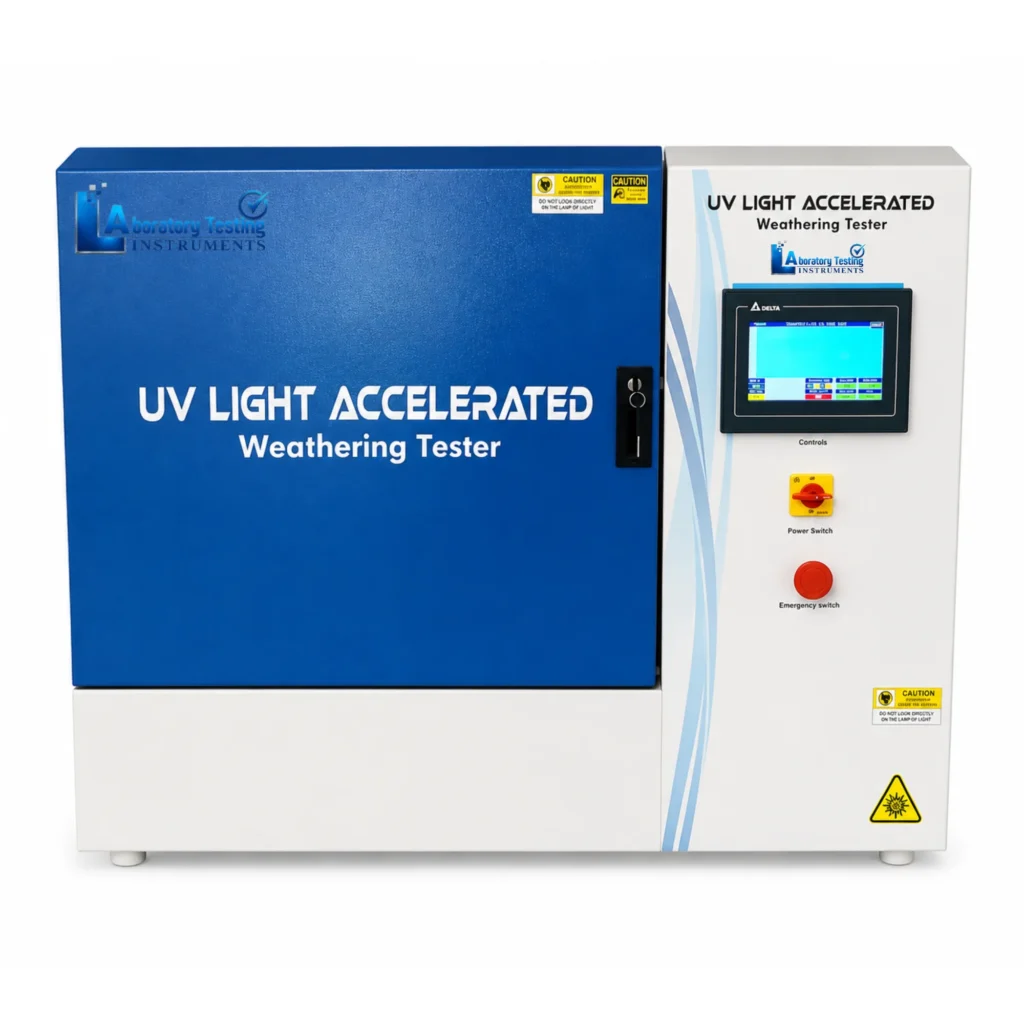
- Bench Top UV Weathering Chamber
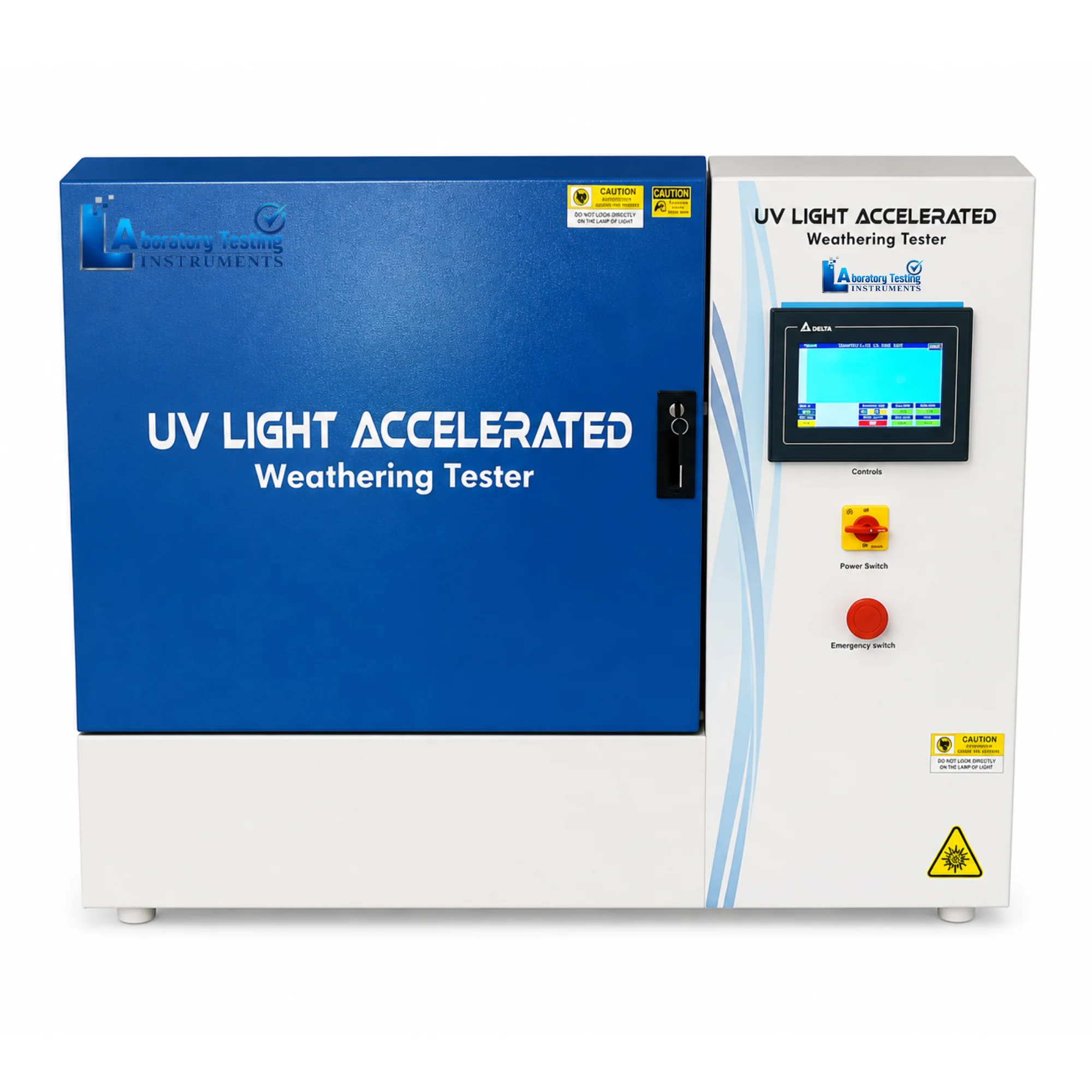
Best Environmental Test Chambers Manufacturer In India
Laboratory Testing Instruments is a trusted provider of Environmental Test Chambers in India, designed to evaluate the performance, durability, and reliability of products under controlled environmental conditions. These chambers can simulate conditions such as temperature and humidity, helping manufacturers understand how their products perform during different environmental exposures.
Environmental test chambers are widely used across industries such as automotive, electronics, aerospace, pharmaceuticals, and electrical manufacturing. Depending on the testing requirement, different chambers can be used for temperature and humidity testing, thermal shock testing, salt spray testing, and other environmental evaluations.
Our environmental testing solutions are designed to support accurate and consistent testing while helping businesses maintain product quality and meet applicable industry requirements. By identifying potential product failures at an early stage, environmental testing can help manufacturers improve reliability, reduce rejection rates, and save development costs.
What Are The Main Components Of Environmental Test Chambers?
Environmental test chambers are specially designed systems used to expose products and materials to controlled environmental conditions. To maintain stable and accurate testing conditions, these chambers use several integrated components, each performing a specific function during the testing process.
Chamber Enclosure
The chamber enclosure is the main space where the test sample is placed. It is built with strong, temperature-resistant materials and proper insulation to prevent unwanted heat exchange and maintain a controlled environment during testing.
Temperature Regulation System
A temperature regulation system controls the heating and cooling inside the chamber. It helps the chamber reach the required temperature and maintain it throughout the test, allowing products to be evaluated under both hot and cold conditions.
Humidity Regulation System
The humidity system manages the moisture level within the testing area. It can increase or decrease humidity according to the selected test conditions, making it possible to study how products respond to different moisture environments.
Air Circulation System
Fans and airflow mechanisms distribute conditioned air throughout the chamber. Uniform circulation helps maintain consistent temperature and humidity around the test specimens and minimizes variations within the testing space.
Control And Monitoring System
A digital control system allows operators to set and adjust testing parameters. Sensors continuously monitor conditions such as temperature and humidity, while the control interface provides real-time information about the ongoing test.
Specimen Shelves And Fixtures
Test samples are positioned using shelves, racks, or suitable fixtures. These components provide stable placement and help ensure that the specimens receive proper exposure to the controlled environment.
Safety Protection System
Environmental chambers include safety features to support secure operation. Depending on the chamber design, these may include warning alarms, temperature protection, overload protection, and emergency shutdown functions.
Access Ports And Viewing Window
Access ports provide a convenient way to connect external sensors, probes, or cables to the test specimen without frequently opening the chamber. Insulated viewing windows may also be provided to observe samples while the test is running.
These components work together to create stable, controlled, and repeatable environmental conditions, making test chambers useful for product development, quality control, and reliability testing across industries such as automotive, electronics, aerospace, pharmaceuticals, and manufacturing.
Benefits Of Climatic Test Chambers
Climatic test chambers provide a controlled environment where products can be evaluated under different temperature, humidity, and other environmental conditions. They help manufacturers understand product behavior, identify potential weaknesses, improve reliability, and maintain consistent quality before products reach the market.
Better Product Reliability
Climatic chambers help identify how products perform when exposed to challenging environmental conditions. Testing under controlled heat, cold, humidity, and other conditions can reveal possible weaknesses and help manufacturers improve product durability and reliability.
Support For Industry Standards
Environmental testing helps manufacturers evaluate products according to applicable testing requirements and industry standards. This can support quality assurance, certification processes, and the development of products suitable for different markets.
Faster Product Testing
Controlled environmental conditions can help manufacturers study the effects of long-term exposure within a shorter testing period. This can speed up product evaluation and support faster development and testing cycles.
Reduced Development Costs
Finding product weaknesses during the development stage can help prevent expensive problems later. Early testing allows manufacturers to make necessary improvements before large-scale production, reducing the risk of failures, rework, and product returns.
Suitable For Multiple Industries
Climatic test chambers can be used for a wide range of applications across industries such as automotive, electronics, aerospace, pharmaceuticals, electrical products, and consumer goods. Testing requirements can vary depending on the product and its intended environment.
Accurate Testing Data
Modern climatic test chambers are equipped with sensors and digital monitoring systems that help record important testing parameters. Reliable data allows manufacturers to analyze product performance, compare results, and make better decisions during product development and quality control.
Key Components Of Environmental Test Chambers
Environmental test chambers are built to create controlled conditions that help businesses study how products and materials respond to different environments. The chamber combines temperature management, moisture control, air movement, monitoring, and safety features to maintain the conditions required for a particular test.
Insulated Testing Space
The internal chamber provides a stable area for placing products or samples. Its insulated construction helps maintain the selected testing conditions and minimizes the effect of the surrounding environment.
Heating And Cooling Arrangement
A dedicated heating and cooling arrangement changes the internal temperature according to the test program. It allows products to be evaluated at different temperature levels and helps maintain the required temperature for the specified test duration.
Moisture Management System
For tests involving humidity, the chamber uses a moisture management system to achieve the required relative humidity. This allows manufacturers to study product behavior in dry as well as high-moisture environments.
Airflow Mechanism
Controlled airflow helps distribute conditioned air around the test area. This supports better temperature and humidity uniformity and helps ensure that samples are exposed to similar conditions during testing.
Digital Controller
The controller acts as the operating interface of the chamber. Users can select testing values, create test cycles, adjust settings, and observe the current chamber conditions through the digital display.
Sensors And Recording System
Built-in sensors continuously measure the environmental conditions inside the chamber. The measured values can be monitored during operation and, depending on the model, recorded for reviewing and documenting test results.
Sample Support System
The chamber may include shelves, trays, racks, or customized fixtures for holding test specimens. These arrangements help position samples properly and make better use of the available testing space.
Protection And Safety System
Environmental testing may involve demanding temperature and humidity conditions, so suitable protection systems are provided. Depending on the chamber configuration, these can include alarms, temperature limits, overload protection, and emergency shutdown functions.
Cable And Probe Entry
Special access points can be provided for connecting external sensors, measuring devices, or electrical cables to the test specimen. This allows additional measurements to be performed without frequently opening the chamber door.
Common Industrial Standards for Environmental Testing Chamber
Environmental testing chambers need to follow certain industrial standards to guarantee that the test results would be accurate, consistent, and reliable. International organizations and other industry-specific bodies establish standards to maintain uniformity in testing protocols, allowing the products to meet global quality and safety benchmarks.
The following are the key standards applicable to environmental test chambers, explained in detail:
1. ISO 9001 (Quality Management Systems)
Ensures consistent manufacturing quality, meeting customer requirements, and delivering reliable test results. This standard is vital for maintaining precision and repeatability in environmental testing processes.
2. IEC 60068 (Environmental Testing)
Specifies methods for testing under environmental variations like temperature, humidity, and vibration, ensuring that products meet global reliability benchmarks.
3. ASTM B117 (Salt Spray Testing)
Widely used for corrosion resistance testing, this standard is crucial for evaluating product durability under saline conditions, especially for automotive and marine applications.
4. MIL-STD-810 (Military Standards)
Covers testing for extreme environmental conditions, such as vibration, shock, and temperature fluctuations, essential for defense and aerospace applications.
5. ICH Q1A (Stability Testing in Pharmaceuticals)
Defines protocols for stability testing of pharmaceutical products under controlled climatic conditions, ensuring product safety and shelf-life compliance.
How Does Environmental Test Chamber Work?
An environmental test chamber works by simulating conditions like temperature, humidity, or vibration using controlled systems. Sensors maintain accuracy through feedback loops, ensuring precise exposure of the test specimen to programmed conditions for performance evaluation and data analysis.
Working Principle
The working principle of environmental test chambers refers to creating and controlling an environmental condition for testing durability and product performance. The operator defines and specifies inputs such as temperatures, humidity levels, and vibration, all achieved using specific heating, cooling, humidification, and even vibratory means. The following is the step-by-step
working process –
Input of Test Conditions
The environmental conditions including temperature range, humidity level, or the frequency of vibration are all determined by the users from the programmable interface within the chamber. This would mean test duration, tolerance on fluctuation, and rates of ramp for altering conditions.
Simulation Mechanisms
Temperature Control
Heating elements or refrigeration systems may be activated to achieve programmed temperatures. For heating elements, resistive coils could be used, while refrigeration would apply compressors and coolants.
Humidity Regulation
Humidity levels are controlled by water reservoirs, humidifiers, and dehumidifiers to increase or reduce moisture content.
Air Circulation
Fans circulate air to ensure uniform environmental conditions throughout the chamber, eliminating hotspots or uneven zones.
Sensor Feedback Loop
Sensors are also fitted inside the chamber, measuring and recording variables such as temperature, humidity, and pressure. The feedback from sensors allows the chamber to maintain its conditions with high precision through the heating, cooling, or moisture systems.
Control Systems Adjustments
The control system of the chamber reads sensor data in real-time and does micro-adjustments with that to maintain the predefined condition; thus, test-cycle consistencies and reliability in the result.
Exposure of Test Specimen
A test specimen is placed in the chamber and subjected to programmed conditions. This could involve some or all of the above factors of heat, cold, vibration, or corrosive elements to simulate real-world or extreme environments.
Data Logging and Analysis
The chamber continuously records the environmental parameters and responses of the specimen. This information can be used to evaluate product performance, identify potential weaknesses, and ensure compliance with industry standards.
This principle allows environmental test chambers to reliably simulate complex conditions and provide valuable insights into product durability and reliability across industries like automotive, aerospace, and pharmaceuticals.
Benefits Of Environmental Test Chambers
Environmental test chambers allow manufacturers to evaluate products in carefully controlled conditions before they are introduced to the market. By exposing samples to selected temperature, humidity, and other environmental factors, these chambers help businesses understand product behavior and improve overall reliability.
Better Product Performance
Testing products under controlled environmental conditions can reveal weaknesses that may not appear during normal testing. Manufacturers can use these results to improve product design, durability, and performance.
Early Identification Of Product Issues
Environmental testing helps detect possible failures during the development stage. Finding problems early gives manufacturers an opportunity to make improvements before production or commercial launch.
Consistent Testing Conditions
A controlled chamber provides a repeatable environment for testing. This makes it easier to compare results between different samples, production batches, or test cycles.
Supports Quality Requirements
Environmental testing can help manufacturers evaluate products against applicable technical specifications and industry requirements. It is useful for quality control, product validation, and reliability studies.
Saves Development Time And Resources
Testing under controlled conditions can help identify design limitations without waiting for naturally occurring environmental exposure. This can make product evaluation more efficient and reduce unnecessary development work.
Useful Across Different Industries
Environmental test chambers are suitable for many applications, including automotive components, electronic products, electrical equipment, pharmaceutical products, packaging, aerospace components, and consumer goods.
Helps In Product Development
The information obtained from environmental testing can support better design decisions. Manufacturers can use test results to select suitable materials, improve product construction, and enhance expected service performance.
Applications Of Environmental Test Chambers
Environmental test chambers are used wherever manufacturers need to understand how a product or material behaves when exposed to controlled environmental conditions. Their applications differ according to the product, industry, and testing objective.
Automotive Industry
Automotive manufacturers use environmental chambers to evaluate components under different temperature and humidity conditions. Testing may be carried out on automotive electronics, batteries, lighting components, interior parts, sensors, and other vehicle components.
These tests help manufacturers study whether components can maintain their expected performance during changing environmental conditions.
Electronics And Electrical Industry
Electronic and electrical products may be exposed to heat, cold, and moisture during their service life. Environmental chambers allow manufacturers to test products such as electronic assemblies, electrical components, appliances, control units, and battery systems in controlled conditions.
Pharmaceutical Industry
Environmental chambers are commonly used for stability and storage-related studies of pharmaceutical products. Controlled temperature and humidity conditions help manufacturers evaluate how environmental exposure may affect product quality over a defined period.
They can also be used for testing pharmaceutical packaging and other related materials.
Packaging Industry
Packaging manufacturers can use environmental testing to study how materials respond to temperature and humidity changes. This is useful for evaluating the performance and durability of paper packaging, plastic packaging, corrugated materials, containers, and other packaging products.
Aerospace Industry
Aerospace components may operate in demanding environmental conditions. Environmental chambers can be used to evaluate selected materials, components, and electronic systems under controlled temperature and humidity conditions before they are used in actual applications.
Consumer Products
Environmental testing can also be applied to consumer products such as household appliances, electronic devices, footwear, toys, and other manufactured goods. Testing helps manufacturers evaluate durability and product performance under different environmental exposures.
Building And Material Testing
Construction materials and related products can be evaluated under controlled environmental conditions to study their response to temperature and moisture variations. This can assist manufacturers and researchers in material development and quality evaluation.
Telecommunications
Telecommunication equipment such as electronic units, network devices, and communication components may require environmental testing to assess their reliability in different climatic conditions.
Research And Product Development
Research laboratories and product development teams use environmental chambers to study material behavior, compare product designs, and generate reliable test data. This supports product improvement before large-scale manufacturing.
Why Choose Laboratory Testing Instruments For Environmental Test Chambers?
Laboratory Testing Instruments focuses on providing practical and reliable testing solutions for businesses that require controlled environmental testing. Our approach is based on understanding the application first and then recommending equipment according to the required testing conditions.
Testing Solutions For Different Applications
Different products require different environmental conditions and testing approaches. We provide solutions suitable for a variety of industrial and laboratory applications.
Accurate Environmental Control
Environmental test chambers are designed to maintain the selected testing conditions with controlled temperature and humidity. This supports consistent testing and dependable evaluation of samples.
Quality-Focused Construction
Reliable construction is important when a chamber is expected to operate regularly. Our testing solutions are developed with attention to durability, usability, and long-term laboratory requirements.
Suitable For Industrial And Laboratory Use
Our environmental testing solutions can support quality control departments, manufacturing facilities, research laboratories, product development teams, and testing centers.
Technical Assistance
Selecting the right chamber depends on factors such as test conditions, sample size, temperature range, humidity requirements, and application. Our team can assist customers in identifying equipment suitable for their specific testing needs.
Complete Testing Solution
From understanding your application and selecting suitable equipment to installation and technical assistance, we aim to provide a complete solution for environmental testing requirements.
Choose The Right Environmental Test Chamber For Your Application
Environmental testing can play an important role in improving product reliability and identifying potential issues before products reach customers. With the right testing chamber, manufacturers can evaluate products under controlled conditions and make informed decisions during development and quality control.
Contact Laboratory Testing Instruments today to discuss your environmental testing requirements and get a suitable testing solution for your application.













Frequently Asked Questions
Get Answers To Common Questions About Environmental Test Chambers.
Q. What Is An Environmental Test Chamber Used For?
An environmental test chamber is used to evaluate how products and materials perform under controlled environmental conditions. It can help test the effects of temperature, humidity, and other selected conditions on product quality, durability, and reliability.
Q. What Products Can Be Tested In Environmental Test Chambers?
Environmental test chambers can be used for testing a wide range of products and materials, including automotive components, electronic devices, electrical products, pharmaceutical items, packaging materials, aerospace components, and consumer goods.
Q. What Conditions Can Be Simulated In An Environmental Test Chamber?
Depending on the chamber type and configuration, controlled conditions such as high and low temperatures, humidity, and temperature changes can be created. The required conditions depend on the product and testing application.
Q. What Is The Difference Between A Climatic Chamber And An Environmental Test Chamber?
A climatic chamber generally focuses on controlled conditions such as temperature and humidity, while the term environmental test chamber can cover a wider range of environmental testing applications. The exact capabilities depend on the chamber model and configuration.
Q. What Is The Price Of An Environmental Test Chamber In India?
The price depends on factors such as chamber size, temperature range, humidity range, testing capacity, specifications, and additional features. Contact our team with your requirements to receive suitable equipment options and a customized quotation.
Q. How Can I Choose The Right Environmental Test Chamber?
The right chamber depends on your product type, sample size, required temperature range, humidity requirements, test duration, and application. Our team can understand your testing needs and help you select a suitable chamber.
Q. Where Can I Buy A Reliable Environmental Test Chamber In India?
You can contact Laboratory Testing Instruments for reliable environmental testing solutions. We provide environmental test chambers suitable for different industrial, laboratory, research, and quality control applications.
Q. How Can I Get A Quotation For An Environmental Test Chamber?
Simply share your testing application, product details, required environmental conditions, and chamber specifications with our team. We will help you identify a suitable solution and provide a quotation based on your requirements.